Growing a business often comes down to one thing: having the right equipment at the right time.
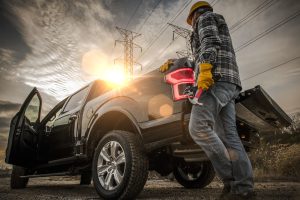
Whether it is a ute to get your crew on the road, a piece of machinery to take on bigger jobs, or specialised tools that set you apart from your competitors, the right assets can genuinely change what your business is capable of.
But here is the challenge most business owners run into.
The upfront cost of that equipment can be significant. Spending a large chunk of cash at once can leave your business exposed. You might not feel it straight away, but you will notice when an unexpected bill lands or a slow month hits.
After 25 years in asset finance, I have worked with a lot of business owners in exactly this position. They needed new equipment to grow, but they were weighing that decision against the very real risk of straining their cash flow. This is where equipment finance, when structured properly, becomes less of a borrowing decision and more of a strategic one.
So let me walk you through how I think about it.
What equipment finance actually is
Equipment finance lets your business acquire the assets it needs without paying the full cost upfront. Instead of a single lump sum, the cost is spread over a set period through regular repayments you can plan around.
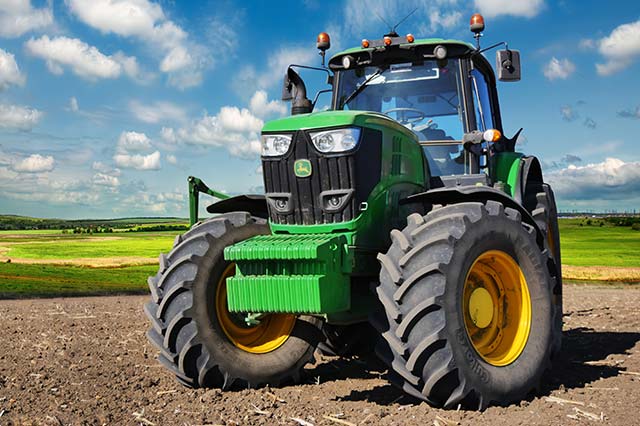
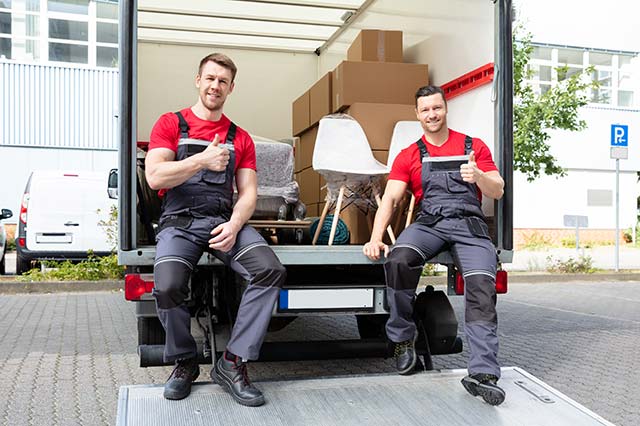
Businesses across all kinds of industries use it for all kinds of assets. That includes commercial vehicles and fleets, excavators and earthmoving equipment, manufacturing machinery, food processing equipment, IT systems and technology, and trade tools and fitouts.
For most Australian businesses, equipment finance is not just about making something affordable. It is about keeping your working capital intact so you can continue to operate confidently while you grow.
Why more businesses are choosing finance over cash
I talk to business owners every week who initially assume that paying cash is the smarter option. No interest, no repayments, done.
I understand that thinking. But once we sit down and look at the full picture, the conversation usually shifts.
When you pay a large amount of cash upfront, that money is gone. It cannot cover wages if a client pays late. The money is not there to fund a marketing push when things go quiet. And you cannot say yes to an opportunity you did not see coming. It cannot help you say yes to an opportunity you did not see coming. Cash tied up in equipment cannot work elsewhere in your business.
Finance changes that equation. Instead of one large outgoing, you have structured repayments you can align with how the asset generates income for you. The equipment starts working for you from day one, while your cash position stays strong.
What this looks like in practice
I had a client a couple of years back who was running a small earthmoving operation. He had the cash to buy a new excavator outright, and he was ready to do it. We talked through what that would leave him with, and it was not comfortable.
He chose to finance instead and kept his reserves intact. Three months later, he took on a much larger contract because he had the working capital ready. The finance paid for itself many times over.
Getting the structure right matters as much as getting approved
This is something I want to emphasise, because it is where a lot of businesses come unstuck.
Getting approved for finance is only part of the process. Structuring it properly is what really matters. The wrong structure can put unnecessary pressure on your business, even when the rate looks good.
What to weigh up before you sign
Start by matching the loan term to the asset. A piece of equipment that will last ten years should not be financed over two. And equally, a short life asset should not be stretched out just to bring monthly repayments down.
Look beyond the interest rate too. The rate matters. But the overall structure, including the term, flexibility, and any conditions, often has more impact than the rate alone.
Finally, compare your options. Going directly to your bank might feel like the simple path. But banks only offer their own products. Working with a broker means access to a panel of lenders. That makes it easier to find a solution that fits your situation, rather than just the closest available option.
Who I work with
I work with business owners across a wide range of industries. That includes construction, earthmoving, logistics, food production, engineering, and trades. If your business relies on equipment or vehicles to generate revenue, there is a strong chance I can help.
Common assets include commercial vehicles, ute fleets, excavators, loaders, trucks, and trailers. I also finance winery and brewing equipment, food processing machinery, IT systems, and woodworking and packaging gear.
If it has a serial number and it helps your business operate, chances are I can finance it.
What to do next
Thinking about upgrading equipment or taking on new assets? The first step is understanding your options before you commit to anything.
I am happy to have a straightforward conversation about your situation. We can talk through what you are looking to acquire and what structure would suit your business best. No pressure, no jargon, just practical advice from someone who has been doing this for a long time.
How much can I borrow through equipment finance?
It depends on your business, your trading history, and the asset you are looking to acquire. I have arranged equipment finance for amounts ranging from under twenty thousand dollars right through to several hundred thousand and beyond. The right amount is the one that matches the asset and fits your cash flow. Not necessarily the maximum a lender will approve.
Do I need to provide a deposit?
In most cases, no. Most equipment finance is arranged with no deposit, particularly when the asset has strong resale value and the business has a solid trading history. A deposit can sometimes help secure better terms or improve approval chances. That is a conversation worth having upfront so you know exactly where you stand.
How long does the approval process take?
Approvals on straightforward applications can often come through within a day or two. More complex situations may take longer. The biggest factor is usually how prepared the application is when it goes in. Having recent financials, bank statements, and a clear picture of the asset ready to go can make a real difference to turnaround time.
Can I finance second hand equipment?
Yes. Lenders regularly finance used equipment, and for many businesses it is a smarter buy than new. They will consider the age and condition of the asset, its expected useful life, and the source of the purchase. Buying privately can also work, although the process can differ from buying through a dealer. I can talk you through what your purchase will need.
Will applying for equipment finance affect my credit?
Any formal finance application leaves a footprint on your credit file. That is why it is worth being strategic about where you apply. Multiple applications across multiple lenders in a short space of time can work against you. Working with a broker means we can position your application with the lender most likely to approve it the first time.
What if my business is relatively new?
Newer businesses can absolutely access equipment finance, although the path may look a little different. Lenders will generally want to see business activity, evidence of income, and sometimes additional supporting information from the directors. Several lenders specialise in working with newer businesses. Matching you with the right one from the start makes a real difference to the outcome.