How does electric vehicle finance for business work?
Electric vehicle finance for business works much like financing any other work vehicle. A lender funds the purchase, your business repays it over an agreed term, and the vehicle usually acts as security for the loan. The main choices are the finance structure, the term and the lender, and a broker can help you compare them.
I’ve been arranging vehicle and equipment finance for businesses since 2006, and more of my clients are now asking about electric vehicles. The question I hear most is, “Is it different from financing a petrol car or ute?” Here’s how I see it.
Is financing an electric vehicle different from a petrol one?
In a lot of ways, no. An electric vehicle is a business asset with a serial number and that has always been my rule of thumb for what can be financed. The lender still wants to understand your business, and you still want a structure that protects your cash flow.
Where it can differ is in the detail:
- The lender. Lenders offer electric vehicle finance, and they don’t all assess a deal the same way. The right lender for your business depends on your situation, not only on the vehicle.
- The structure. How you structure the finance can matter more with an EV, because it affects how the arrangement is treated for tax. I’m a finance broker, not an accountant, so please speak to your accountant before you commit.
- The amount you borrow. An electric vehicle can cost more up front than a similar petrol one, so the loan may be bigger. Look at the full cost of owning the vehicle over the time you’ll keep it, not just the sticker price.
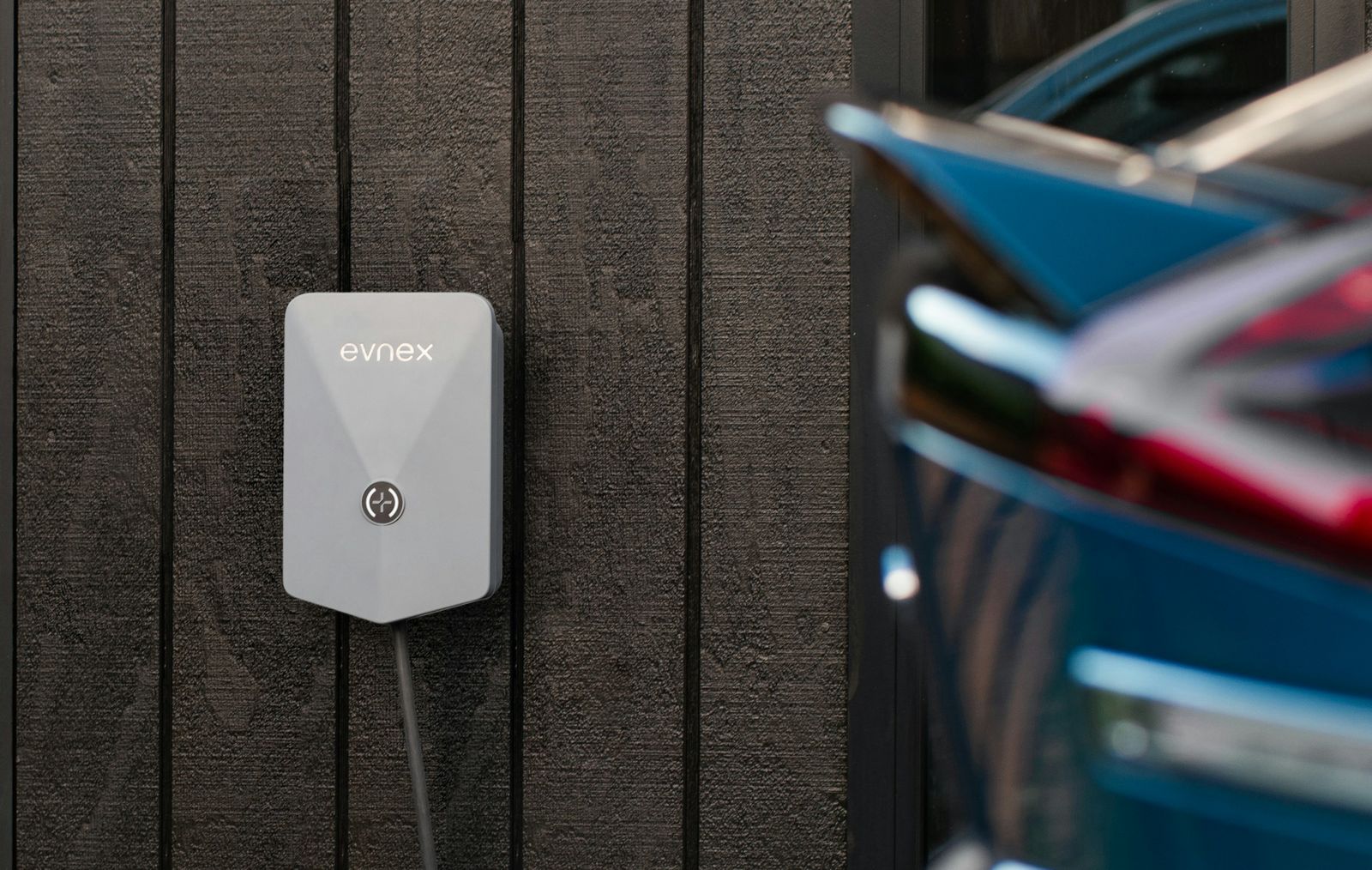
- Charging. Some businesses also want a charger installed at their premises. Whether that can be included in the same finance depends on the lender, so it’s worth raising early.
- The term. Think about how long you plan to keep the vehicle and how hard it will work. Matching the term to how you’ll actually use it is just as important with an EV as with a petrol car.
- The job it has to do. Before you sign anything, make sure the vehicle suits the work. For a business vehicle that means daily distances, where you’ll charge it and what it needs to carry or tow.
What doesn’t change with an electric vehicle
What doesn’t change is the reason to finance in the first place. Paying cash ties up money in one asset. Financing spreads the cost so the vehicle can earn for your business from day one, while your cash stays where you need it: wages, stock and the day-to-day.
Here’s how that might look. Say you run a business with a couple of staff who drive between sites every day, and you’re thinking about switching them to electric vehicles. Rather than paying for both vehicles outright, you could finance them. That way your cash stays in the business for wages and stock, and the vehicles get to work straight away.
Which electric vehicle finance structure suits your business?
There’s no single answer here, and that’s exactly why I look at each business before recommending anything. I work for you, my client, not the lender.
Chattel mortgage
Chattel mortgage electric vehicle finance is the structure I’d expect to use most often for business clients.
Your business buys the vehicle, and the lender takes security over it until the loan is paid off.
It tends to suit businesses that want to own the vehicle at the end of the loan, plan to keep it for a good few years and use it mainly for work. It also suits owners who like predictable repayments.
Novated lease
Some clients ask about a novated lease, especially for an electric vehicle. It works quite differently from a chattel mortgage, and whether it fits depends on how your business and your people are set up.
The tax side of a novated lease is a question for your accountant. The ATO’s guide to the electric cars exemption is a useful starting point before you have that conversation.
If you’re not sure which one fits, that’s fine. Tell me how your business runs, and I’ll match the structure to it. If you’re also looking at machinery or other gear, my page on equipment finance in Melbourne covers the rest of what I can fund.
Why talk to a broker before you talk to the dealer
Dealers can arrange finance, but their job is to sell you the car. Mine is to find the finance that suits your business. Because the finance is brokered, you’re free to buy the vehicle from whichever dealer or supplier you choose.
I’ve been negotiating vehicle and equipment finance since 2006, and over that time I’ve built strong relationships with a wide range of lenders. That gives you more options to compare. I do the legwork, from comparing lenders to handling the paperwork, so you can keep running your business while I sort out the finance.
What a lender looks at for electric vehicle finance
Every lender has its own criteria, and they can be very different. In general, a lender wants to understand:
- your business: what it does and how long it has been trading
- your financial position and credit history
- the vehicle itself, and how much you want to borrow
With an electric vehicle, a lender may look more closely at the vehicle itself: the make and model, and how the price compares with the market. If you want a charger included, they’ll want the details of that too.
A knock-back from one lender doesn’t mean the deal is dead. I’ve had deals declined by one lender and approved by another within the hour. My job is to match your situation to a lender likely to say yes, so you’re not applying blind.
What to have ready before applying

Having your paperwork in order is the simplest way to avoid delays. Before you apply, it helps to have:
- your ABN and business details
- recent financials or BAS statements
- ID for the business owners or directors
- a quote or the details of the vehicle you want
- a conversation with your accountant about structure and tax
My advice is the same as for any vehicle: get your finance approved in principle before you settle on the car. Then you can move as soon as you find the right one, instead of starting from scratch when time is short.
Electric vehicle finance for business: FAQs
Can my business finance an electric vehicle?
In most cases, yes, subject to lender approval. An electric vehicle is a business asset with a serial number, just like a petrol car, ute or van.
Can I use a chattel mortgage for an electric vehicle?
Yes. A chattel mortgage is one of the structures I use for business vehicles, electric ones included.
Are there tax benefits to financing an EV?
That depends on the structure and your circumstances, so please speak to your accountant. Once you have their advice, I can help set up the finance to suit it.
Do you only do EV finance in Melbourne?
No. I’m based in Dandenong South and Frankston, so I do plenty of EV finance in Melbourne, but I arrange electric car finance across Australia. Most of it can be done over the phone and by email.
Can I get finance if my business is new or has limited credit history?
Often, yes. Different lenders have very different criteria, so it’s worth talking to me before you rule yourself out.
Can you also help with petrol or diesel work vehicles?
Yes. Commercial vehicle finance in Melbourne and beyond is a big part of what I do, from a single ute to trucks and trailers.
Talk to me about your electric vehicle
If you’re weighing up an electric vehicle for your business, let’s talk it through before you commit. Call me on 0412 534 503, or get a FREE quote and I’ll give you a call. There’s no obligation.